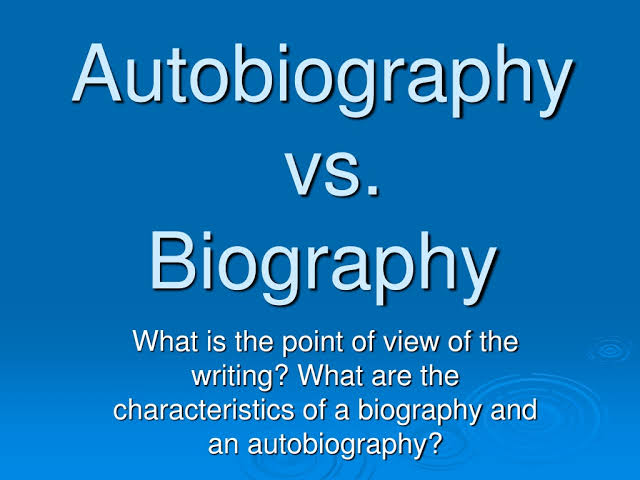
Biography vs Autobiography. Most times people do not know the difference between these words. It is often confused with each other. It’ll interest you to know that notable people confuse this with each other.
Oftentimes, biography and autobiography are two types of writing patterns. In this article, we’ll be discussing the following topics: Biography vs. Autobiography, Autobiography and Biography.
Apart from this, we’ll be talking with many others too. First, let’s begin with the meaning of Autobiography.
Biography vs Autobiography
Here’s another way to look at Biography vs Autobiography.
A biography is a nonfiction account of a person’s life written by someone else. It provides an objective overview of the subject’s life, detailing key events and experiences.
Biographies can cover notable figures, historical personalities, or even groups of people. They aim to give readers insight into how the subject shaped the world.
READ MORE: Hispanic Scholarship Fund: Deadline, Requirements and Reward
Definition of Autobiography
An autobiography is the life story written by the individual it is about. This means the author is also the main character. Autobiographies are typically written in the first person.
They focus on personal experiences, thoughts, and feelings, often highlighting significant life events.
Differences Between Autobiography vs Biography
Perspective:
Biographies are written in the third person. On the otherhand, autobiographies are in the first person.
Biography is often written as a means to describe a person maybe fictional or real. However, autobiography is carefully written by the supposed person in question.
Authorship:
Biographies are written by others, whereas autobiographies are penned by the subjects themselves.
Autobiographies are written by the owner of the book. They do not use another person’s name in writing.
Objectivity vs. Subjectivity:
Biographies tend to be more objective, while autobiographies are subjective. They often reflect the author’s personal insights.
Most times, biographies talks about the good and bad thoughts of the muse. However, in most autobiographies, it is often the good and jolly moments.
Biography vs Autobiography vs Memoir
A memoir is a collection of memories written by an individual. It often focuses on specific themes or events rather than covering the entire life of the author.
Memoirs can be seen as a subset of autobiographies, as they are also written in the first person.
Differences Among the Biography vs Autobiography vs Memoir
Here’s a way to look at it.
Scope:
Biographies cover the entire life of a person, while autobiographies provide a comprehensive look at the author’s life.
Memoirs are more focused and thematic. They are made to highlight a particular memory in a person’s life. Of course, it is often written by the person who experienced it himself.
Content:
Biographies often rely on research and multiple sources. On the other hand, autobiographies and memoirs draw from the author’s personal experiences.
The personal experiences of people are often the key idea to which memoirs are written.
Structure:
Biographies typically follow a chronological order, whereas memoirs may not adhere to strict timelines. Autobiographies often start from childhood and progress chronologically.
Biography vs Autobiography vs Memoir – Purpose and Intent
Biography:
The goal is to inform readers about the subject’s life and achievements. It seeks to provide a wellrounded understanding of the individual. Oftentimes, the biography is one of the things that makes him stand out.
Autobiography:
The intent is to share personal experiences and insights. It reflects the author’s journey and growth.
Whem you read good autobiographies, the author tells his reallife thoughts to many situations. You’ll agree that sometimes this views may contradict yours.
Memoir:
Memoirs aim to evoke emotions and connections. They focus on specific events or themes that have impacted the author’s life. Most times, people agre that memoirs and memories carries the same impact.
Writing Style
Biography:
This kind of writing is typically more formal and objective. It strives for accuracy and clarity.
Autobiography:
Autobiographies are most times conversational and personal. It is often reflecting the author’s voice and style.
Memoir:
This is usually narrativedriven, employing literary techniques to engage readers emotionally.
Memoir vs. Autobiography vs. Biography
Emotional Engagement
Memoirs often resonate more with readers due to their emotional depth.
They allow authors to explore feelings and reflections about specific experiences. In contrast, biographies provide factual accounts, which may lack the personal touch.
Research Requirements
Biographies require extensive research, including interviews and historical accounts.
Autobiographies rely primarily on personal recollections, while memoirs may use diary entries or letters, requiring less external research.
Audience
Biographies often attract readers interested in learning about influential figures. Autobiographies appeal to those wanting a personal perspective, and memoirs resonate with readers seeking emotional stories.
Advantages of Autobiography
1. Personal Insight:
Autobiographies provide a unique look into the author’s thoughts and feelings. You can find personal feelings of the author when he tells his autobiographies.
Most times, he is either expressing his happiness or dissatisfied action in a particular incident.
2. Subjective Experience:
They allow authors to share their personal journey, making the story relatable. One thing that is their greatest strength is their subjective power.
Authors tend to tap into this in order to provide accurate evidence of their experience.
3. Flexibility in Structure:
Authors can choose how to present their life events, making it more engaging. Obviously, they could provide reallife incidents in a balanced way.
Advantages of Biography
1. Objective Perspective:
Biographies offer a more balanced view of the subject’s life. More often than not objective perspective peers into the life of many people. You can find it in their life story of time.
2. Comprehensive Coverage:
They can cover a lifetime of achievements and failures, providing context. Biographies often include facts from various sources, lending credibility to the narrative.
Advantages of Memoir
1. Emotional Connection:
Memoirs focus on specific experiences, creating a strong emotional bond with readers.
2. Thematic Focus:
They allow authors to delve deeply into particular themes or events.
3. Creative Freedom:
Memoirs can be less structured, giving authors the freedom to express. themselves in unique ways.